

How to Measure Executive Coaching Impact and ROI
A leader can value coaching without anyone knowing what changed at work. In my survey, 68% identified lack of clear ROI or measurement as something not working well in coaching.
A leader can value coaching without anyone knowing what changed at work. In my survey, 68% identified lack of clear ROI or measurement as something not working well in coaching
Agree the evidence before coaching begins
Business outcome: select one or two relevant indicators, such as decision turnaround, project delivery or team engagement.
Leadership capability: identify the skill supporting that outcome, such as influencing, delegation or managing upwards.
Observable behaviour: describe what the leader will do differently, where it will happen and who can observe it.
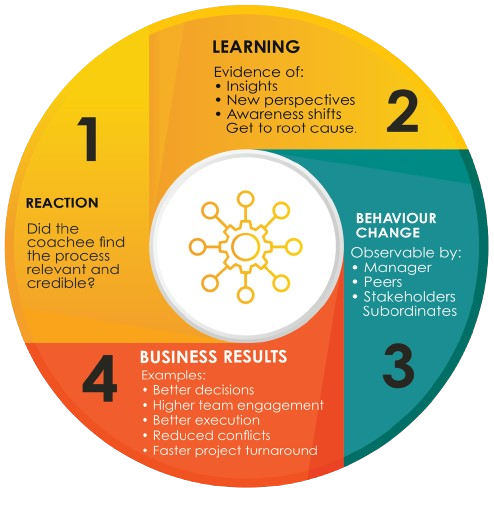
Use a baseline and a closing review
Gather focused stakeholder feedback at the start. Agree goals with the leader, sponsor and coach, with HR involved where appropriate. Review progress during the engagement, then repeat feedback against the same goals at closure.
Make the goal concrete
Instead of “improve executive presence”, agree: “In the next three steering meetings, present a clear recommendation, explain the trade-offs and secure a decision.” Check both the behaviour and its effect on delivery.
Distinguish impact from financial ROI
Stakeholder ratings show perceived change. Financial ROI requires credible monetary benefits, total costs and an explicit attribution method. Record other influences on results before assigning the benefit to coaching.